 Ann Slater is part of
the Educational Team of our Ann Slater is part of
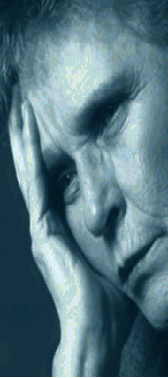
the Educational Team of our Reconcile Project Each of us at some time in our life will suffer a deeply personal loss which we will have to deal with in our own way. Loss can be experienced at all levels, at different times and can take many forms. Certainly none of us will remain untouched by it. The pain of loss caused by bereavement must be the greatest to bear because it is the ultimate and final parting. Whether the death of a loved one is sudden or expected it seems we are never prepared for it and the trauma is always difficult to deal with. We, each of us, have to take our own path on the journey to acceptance. Quite recently my own family suffered the loss of a baby before it had had the chance to be born. Until then I could not have believed that it would hurt so much to lose someone whom I had neither seen, nor heard, nor touched, but who had become special to me in those few months. Although I have other grandchildren who are very precious to me, I morn for this baby I will never hold. My whole family shared the sadness of my daughter and her husband. The support of a close family unit is important, it can and does help at these times, whilst the healing process begins. It is in these moments that many of us are most aware of our vulnerability, although we try to hide it from others, preferring to grieve in solitude. But there are other situations which bring suffering akin to bereavement and where the loss is both physical and emotional. Not all of us will have to experience the kind of anguish experienced by those who have been imprisoned because they were caught up in a political situation beyond their control. Brian Keenan in his book ‘An Evil Cradling’ describes his feelings during the four and a half years as a prisoner in Beirut. In this very powerful and beautifully written account, he relates how initially he went into a state of denial. ‘Denial gives time for a temporary retreat from reality, time for our internal forces to regroup and to regain strength to begin to deal with the loss which has been forced upon us.’ It is a response we will all recognise, that when faced with overwhelming grief, it is easier at first to refuse to accept it, believing that it’s not happening it’s not happening. Those of us who live with freedom cannot comprehend it the trauma experienced by those who have lost it. Even so, our hearts go out to them. William Blake, the 18th Century poet asks ‘Can I see another’s woe, /and not be in sorrow too?/ Can I see another’s grief, / and not seek for kind relief?’. Brian Keenan said he would always be amazed at the qualities men find in themselves when they have only themselves in which to find a source of life. Their shared suffering made of them a collective community. What of those who live with mental illness, addiction, alzheimer’s and other mind altering conditions? What about their families? Watching their loved ones slowly slipping away from reality is another devastating kind of loss. In our community at St. Anne’s we meet people everyday who are caught up in such turmoil, we see a lot of sadness and despair, but we also witness a great deal of faith, hope and love. When our young people leave after their time with us, to take another step along the way to what we hope is full recovery, we feel a sense of loss too at their parting. But we share the joy and happiness at their ‘freedom’. We believe that given time, patience, understanding and above all, love the human spirit can recover and the ravages of loss can be repaired. |


