 Conservation
| Conservation
|
|
| November '99 | |

|
|
This may sound like the plot of the film "The Thing," when scientists thaw out a m  onster only to watch helplessly as it
wreaks havoc, but researchers warn that science fiction could become science
fact. This chilling warning follows the discovery of an ancient virus in Arctic
Ice. The fear is that deadly long-buried viruses could emerge from their icy
tombs as global warming- or even a temporary bout of warm weather- release them
into the atmosphere and these bugs could be so ancient that present day animals
and plants will have lost all immunity to them. The virus found deep in the
Greenland ice cap is known as a tomato mosaic virus, which was a common plant
germ, and the discovery suggests that other viruses, such as ancient strains of
flu, polio and smallpox may also be entombed and could make a comeback and
spread epidemics across the world. onster only to watch helplessly as it
wreaks havoc, but researchers warn that science fiction could become science
fact. This chilling warning follows the discovery of an ancient virus in Arctic
Ice. The fear is that deadly long-buried viruses could emerge from their icy
tombs as global warming- or even a temporary bout of warm weather- release them
into the atmosphere and these bugs could be so ancient that present day animals
and plants will have lost all immunity to them. The virus found deep in the
Greenland ice cap is known as a tomato mosaic virus, which was a common plant
germ, and the discovery suggests that other viruses, such as ancient strains of
flu, polio and smallpox may also be entombed and could make a comeback and
spread epidemics across the world. 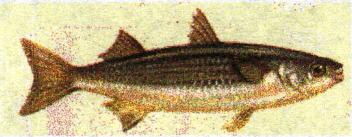 A bout of warm weather has also caused strange
happenings closer to home. Swanpool is a very rare type of lake as the water is
brackish- a mixture of salt and fresh water. Recently thousands of Grey Mullet
that live in the lake were seen making their way down a sea water culvert which
goes under the road to Swanpool beach and the sea. Shortly afterwards the fish
made their way back up the culvert forming a swirling mass as they leapt over a
concrete surround into the lake. It is thought that the fish made this brief
visit to the sea to get oxygen which had become depleted in the lake due to the
blooming of a blue-green algae, caused by the recent spell of warm weather. A bout of warm weather has also caused strange
happenings closer to home. Swanpool is a very rare type of lake as the water is
brackish- a mixture of salt and fresh water. Recently thousands of Grey Mullet
that live in the lake were seen making their way down a sea water culvert which
goes under the road to Swanpool beach and the sea. Shortly afterwards the fish
made their way back up the culvert forming a swirling mass as they leapt over a
concrete surround into the lake. It is thought that the fish made this brief
visit to the sea to get oxygen which had become depleted in the lake due to the
blooming of a blue-green algae, caused by the recent spell of warm weather.
During the past couple of months a number of odd crustaceans have 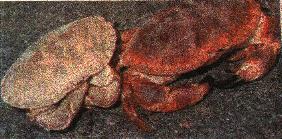 been caught around Cornwall; an Albino Crab was caught off
Falmouth, and a third white Lobster was brought ashore by Hayle fishermen.
These can be seen at the Newquay Sea Life Centre where they were sent to join a
bright blue Lobster and crabs with unusual digits and a mauve coloured lobster
landed at Port Issac. There has been an increase in landings of genuine
rarities ending up on Newlyn fish market and the oldest Cornish Skippers say
they have never seen so many quirks reported in all the years they have been
involved in the industry. been caught around Cornwall; an Albino Crab was caught off
Falmouth, and a third white Lobster was brought ashore by Hayle fishermen.
These can be seen at the Newquay Sea Life Centre where they were sent to join a
bright blue Lobster and crabs with unusual digits and a mauve coloured lobster
landed at Port Issac. There has been an increase in landings of genuine
rarities ending up on Newlyn fish market and the oldest Cornish Skippers say
they have never seen so many quirks reported in all the years they have been
involved in the industry. From the 5th to the 9th of October Pods of up to 20 Bottlenose Dolphins were seen along the north coast between St.Agnes and Newquay, there were also sightings of Bottlenose Dolphins in the Scillies on the 6th and 7th.. Later in the month Benty and his gang of about 8 Bottlenose were along the south coast, in the Fal Estuary on the 18th, in the Gribben Head area on the 19th and in the Fowey Estuary on the 20th. Several sightings of Risso's dolphins have been reported during October; 4 were seen off Pendeen on the 5th and this pod included an often seen all white dolphin. A pod of about 7 Risso's were off Gwennap Head on the 6th, several of which had white areas around the face but the all white dolphin was not among them. On the 10th Oct two pods were reported off the Scillies, one of about 5 animals and the other of 8 with white patches around the face, so possibly the same pod as seen off Gribben Head on the 6th. A lone one was also spotted off Cape Cornwall on the 11th October. Common Dolphins have been seen off the Scillies and a couple of dolphins thought to be Commons were also seen off Gribben Head on the 12th. Pilot Whales and a Killer Whale were also seen off the Scillies. The big invasion of the month however was the appearance of over 200 Portuguese Man Of War around the coasts of both The Scillies and Cornwall, these all appeared in the first 12 days of the month.  Conservation Officer Raymond Dennis |
|